
Why Small-Group Learning Works
I intentionally keep small groups small, typically three to five students, because one of the greatest benefits of learning together is the opportunity for meaningful discussion. Small groups create space for students to participate, think carefully, and engage with ideas rather than simply moving through assignments.
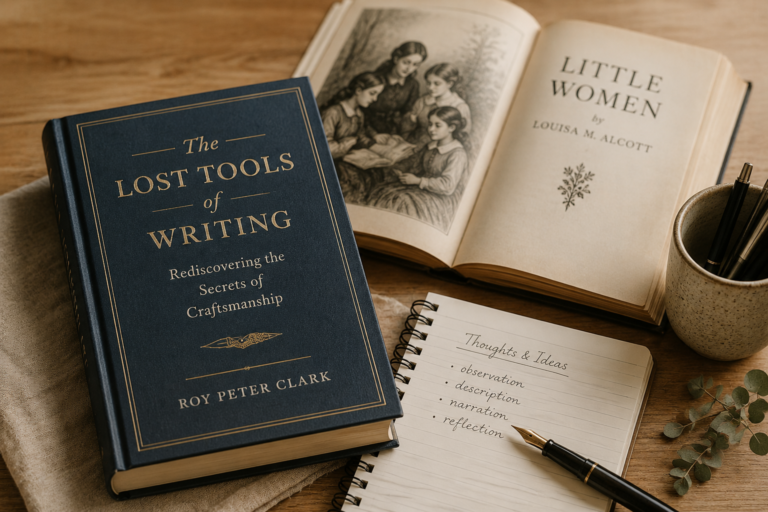
For this reason, I primarily offer small groups through Lost Tools of Writing and literature-based studies such as The Chronicles of Narnia. These settings naturally encourage students to ask questions, consider different perspectives, and interact with ideas in a deeper way.
One of the things I enjoy most about classical learning is the use of thoughtful discussion. While online learning looks different from a traditional Socratic circle, students can still learn to listen carefully, build on one another’s ideas, and participate in more intentional conversations.
Lost Tools of Writing teaches students not only how to write but also how to think. Students learn to:
✓ Generate ideas thoughtfully — considering multiple perspectives before forming conclusions.
✓ Organize ideas logically — building stronger arguments and clearer communication.
✓ Express ideas effectively — strengthening writing through structure, grammar, and style.
When students discuss literature together, stories become more than reading assignments. Literature opens doors to meaningful questions, character motivations, themes, and thoughtful conversations.
Sometimes a smaller group creates more room for bigger ideas.